
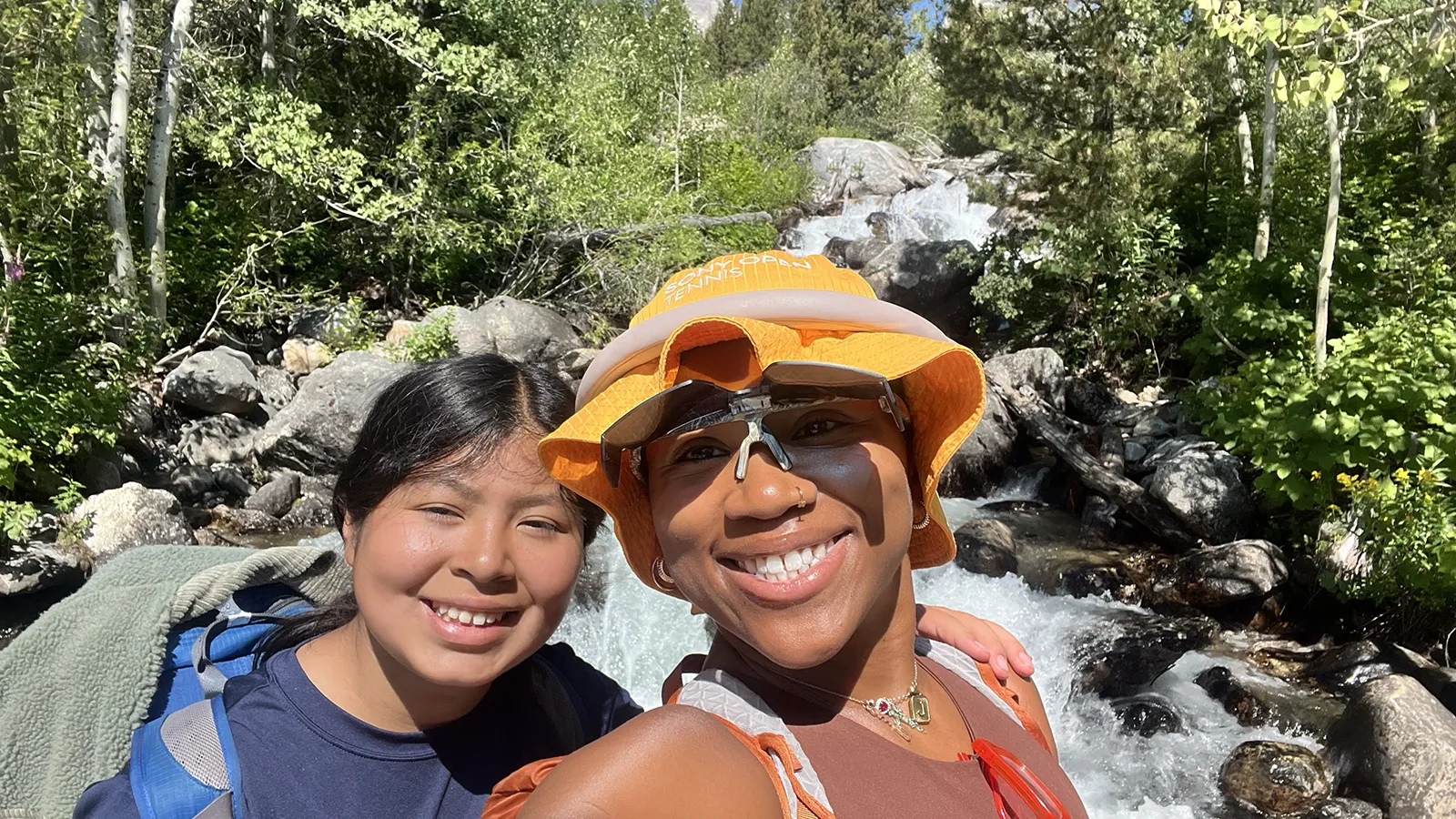
Cornelia Franklin arrived in Jackson, Wyoming this summer and felt a wave of nostalgia wash over her. “I always had this hope and dream of coming back to City Kids and working with the youth,” she said.
This summer, that dream became reality. Across the outdoor education field, more camps are investing in on-site mental health services to address increasing youth needs. After years of staff requests for specialized support, City Kids made it a budget priority in 2025, creating the Youth Behavior Support Specialist position to ensure every camper has the support they need to thrive.
As an Assistant and trained Behavior Tech at a DC public charter school, and a City Kids alumna, Cornelia brought both professional expertise and personal experience to the role. For her, supporting participants meant creating space for the emotional and social challenges that arise when youth push beyond their comfort zones, travel far away from home, and navigate the complex work of building community.
From the moment the Rangers stepped off the plane, Cornelia was watching with curiosity and care. “You can tell what a child needs by sitting back and observing their personality,” she explained. “So I did that from the time they stepped off the plane to when they got to camp. It gave me time to get to know them.”
Her approach worked, and the kids opened up. She wasn’t pushy; she gave them space to come to her in their own time. “We only had two and a half weeks to get to know each other, but I got to know every child there as if we had spent the whole year together.”
Cornelia understood something fundamental: “There’s no redirection without connection. I had to form a connection first to redirect, de-escalate, or help them with other coping strategies when they were frustrated, angry, or anxious.”
One morning, a camper was feeling particularly low. All he needed, Cornelia realized, was a hug. From then on, they had a silent agreement—every morning, a hug. No words necessary. Just the reassurance that someone saw him, knew him, cared.
Understanding Both Worlds
As a DC native and City Kids alum, Cornelia brought something invaluable to her role: she understood both worlds the campers were navigating.
“All the children were from DC, so to have that connection mattered,” she said. “That connection and trust—it changes everything.”
The challenges ranged from homesickness to friendship struggles to deeper questions of identity. “It was like they were asking, ‘Where do I belong?’ Just not always in those words,” she said. “They were wondering, ‘How do I fit in at camp? How do I fit in back home?’”
Campers constantly asked about her own City Kids experience. They wanted to know: Did you feel this way too? How did you get through it? “I remember wanting to go home,” Cornelia shared with them honestly. That vulnerability opened doors.
The Difference It Made
The impact was immediate and measurable. Staff and youth alike reported a significant difference in camper behavior and emotional well-being during the second summer session when Cornelia was present, compared to the first session without her support.
In an era of increased youth anxiety and isolation, Cornelia noticed something remarkable at camp: real, deep, unmediated connection. “These kids didn’t complain about their phones or ask where they were,” she said. “What I saw was a lot of love at camp, and a lot of caring for each other. I sensed a lot of togetherness.”
The Gift of Coming Back
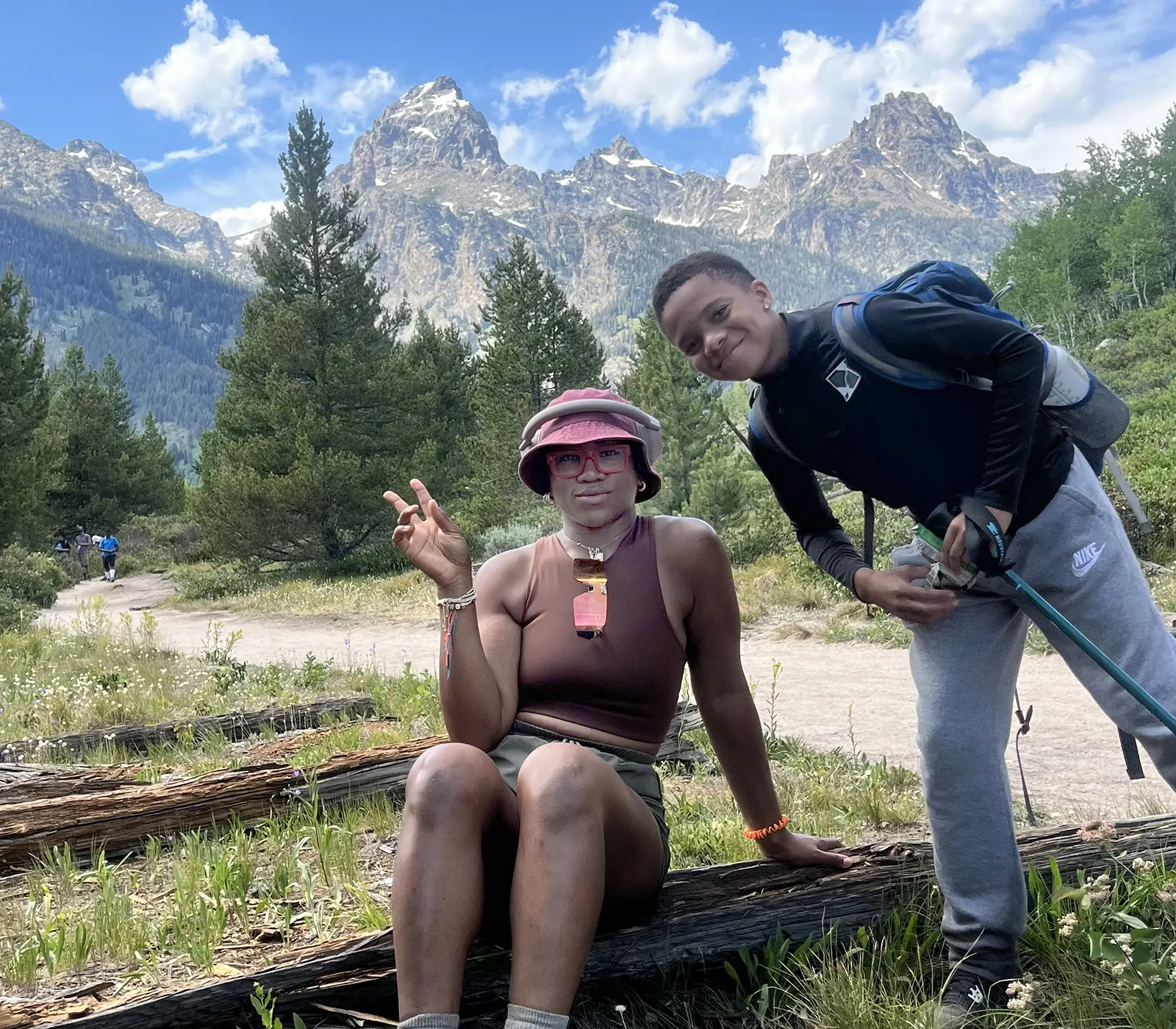
The learning went both ways. Cornelia helped campers discover their individuality, while Wyoming reminded her of lessons she’d learned a decade earlier—about slowing down, finding peace, and being present.
At the closing campfire for the Rangers, when the group celebrated Cornelia’s 10th summer at City Kids, every camper went around and shared how much impact she’d had on their experience. The moment crystallized everything she’d hoped her return to City Kids would be.
As City Kids youth progress from nervous sixth-grade Rangers to confident high school JETs, they need support at every stage of their journey. The financial investment in mental health services represents a critical evolution in City Kids’ commitment to the whole child. With continued donor support for holistic programming, City Kids can ensure every participant has what they need to discover their potential, build meaningful connections, and develop the resilience to navigate whatever challenges lie ahead.

