CITY KIDS WILDERNESS PROJECT • ANNUAL REPORT 2025-26
30 YEARS IN THE MAKING
The Mark We’re Leaving


CITY KIDS WILDERNESS PROJECT • ANNUAL REPORT 2025-26
The Mark We’re Leaving
ON CONSISTENCY
Dear Friends,
As part of City Kids 30 year anniversary, we asked community members far and wide, from our founding leaders to the current families and alumni, to describe City Kids in one word. Almost everyone said “family.” It doesn’t surprise me that a program model that sticks with a child for seven years, from age 11 to adulthood, would feel like family. What did surprise me is that very few people said anything about outdoor activities, and yet, it’s what we offer youth over 100 days of the year in Washington D.C., Wyoming, and many places along the way.
In the following pages, you will read about the three decades City Kids has spent evolving the program and the incredible ways it has shaped the lives of deserving young people. The stories highlight City Kids humble beginnings, the persistence of its original leaders, the power of youth asking for what they need and want, the place that profoundly changed countless lives, and the incredible leaders City Kids has had the privilege to guide and learn from over our 30 years in existence.
While so much has changed in the world and at the organization, the consistency with which we have designed programs rooted in our mission has not wavered. Providing support, safety, and a sense of belonging, critical components of thriving, is how we’ve earned a reputation from our community that City Kids can be a space that feels like home, like “family.” We plan to spend the next 30 years committed to doing the same, designing a program that adapts with the times, but does not lose focus on building the skills that have consistently enabled people to flourish since the beginning of time.
Thank you for walking beside us, for your commitment to investing in future generations, and to building a positive community.
Warmly,

Sarah Cryder
Executive Director
Rooted in community.
Rising together.
MISSION
City Kids Wilderness Project’s mission is to build resiliency, broaden horizons, cultivate community, and develop skills for success in DC youth through a long-term, cohort-based model that utilizes both the wilderness and urban environment to encourage growth. City Kids aims to inspire youth to use their personal power to shape the future of their own lives and change in the greater community.
A world where individuals, communities, and systems evolve to create a bright, inclusive, and just future for all youth. A community of cohesion and allyship where youth have the support they need to develop into confident young adults who are aware of their personal power.
IMPACT STATEMENT
DC youth grow up in communities rooted in joy and belonging, where they build the confidence and skills to lead fulfilling lives.
OUR MODEL

From trekking through the wilderness to navigating friendships, 20 to 25 youth undertake every journey together from sixth through twelfth grade.
97% enjoyed spending time at City Kids with their peers and CK adults.

From Wyoming to Washington DC, we offer outdoor experiences that serve as a classroom for adventure and self-discovery.
95% feel more competent in the skills they are learning as a result of the program.

Our robust and culturally competent curriculum is grounded in Positive Youth Development principles and social emotional learning.
89% say City Kids believes in them and their ability to succeed.

An affinity space for BIPOC youth to explore the outdoors in a community that centers, celebrates and uplifts BIPOC stories, voices and experiences.
75% of staff are BIPOC, compared to the industry average of 37%.

By removing cost barriers such as gear, permits and travel, we create life changing experiences at no cost to youth and families.
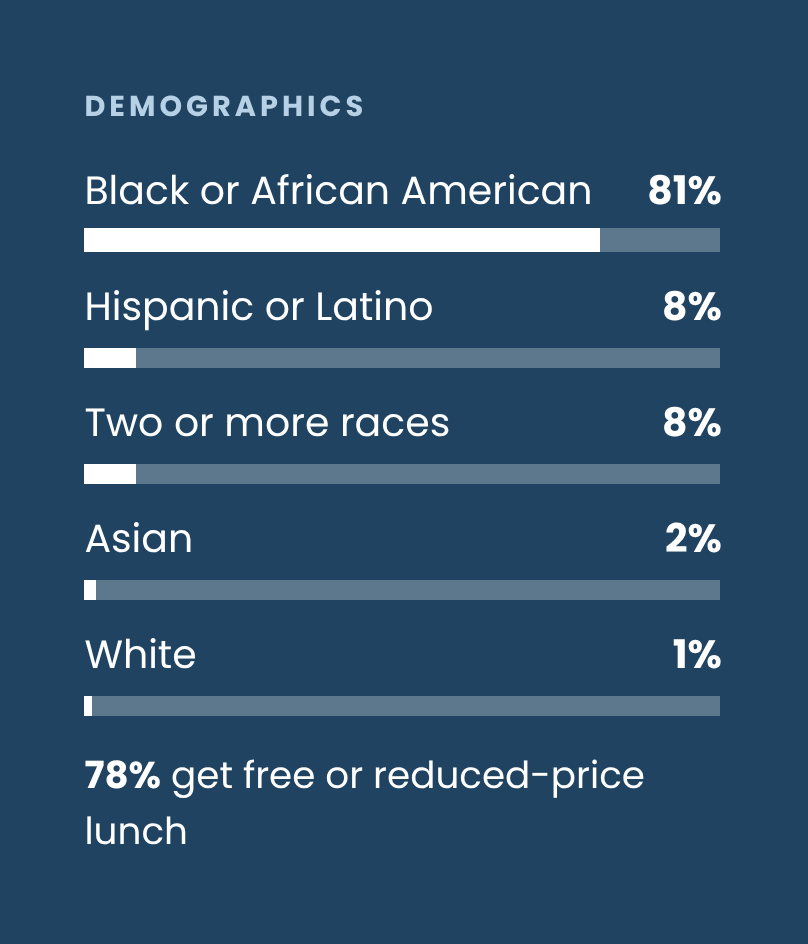
78% of youth get free or reduced-price lunch.
OUR COMMUNITY
youth served
days of programming
schools
alumni served
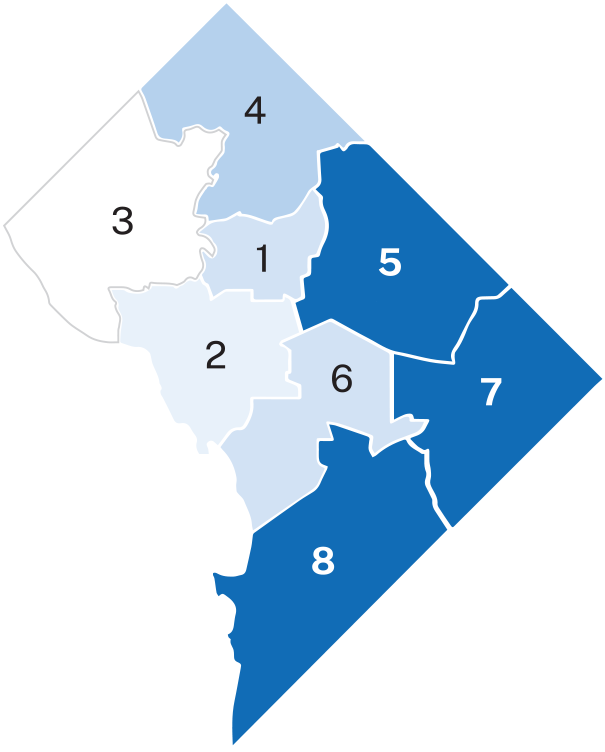
73% of participants live in Wards 4, 5, 7 and 8.
Did you know?
Wards 7 & 8 are historically the most underinvested communities in DC with the least access to out-of-school-time (OST) activities. Only 35% of the OST need is being met in Wards 7 & 8, by existing programs (DC Policy Center’s OST Needs Assessment, 2023).
OUR IMPACT
100% of youth feel they belong at City Kids.
97% of City Kids seniors graduated from high school over the last three years, compared to DC Public Schools’ 77.3% graduation rate.
87% of youth grew in foundational capacities for Social-Emotional Learning such as self-management, social skills, and positive identity.
83% of youth feel that spending time without their phones helped them connect more with their peers and with nature.
82% feel more connected to a community of their peers as a result of programs.
In Washington, 91% of children from high-income homes are driven to their activities by a family member. Among youth from low-income communities, it is 50%. Getting there is the barrier. Aspen Institute Project Play, March 2025.
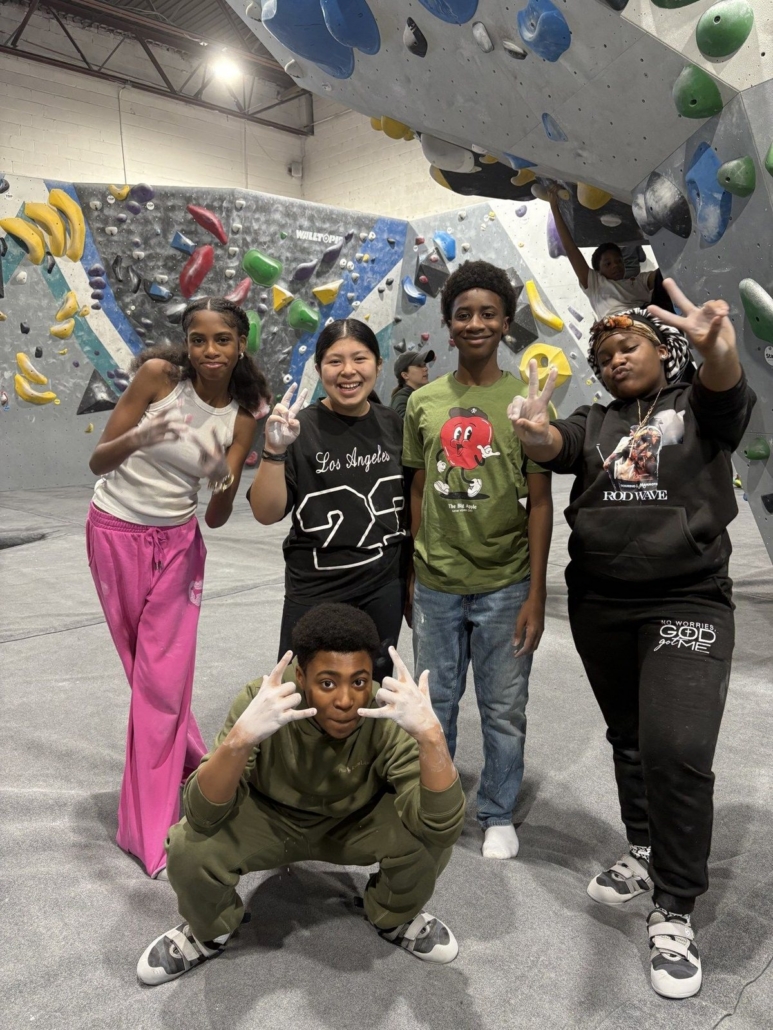
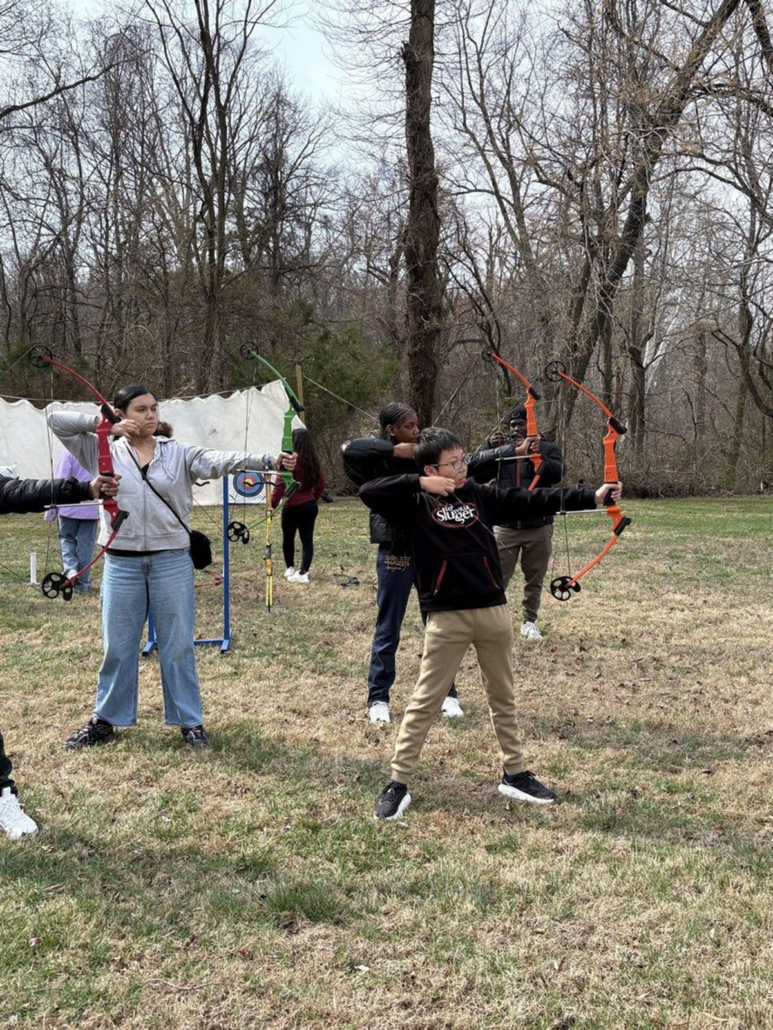
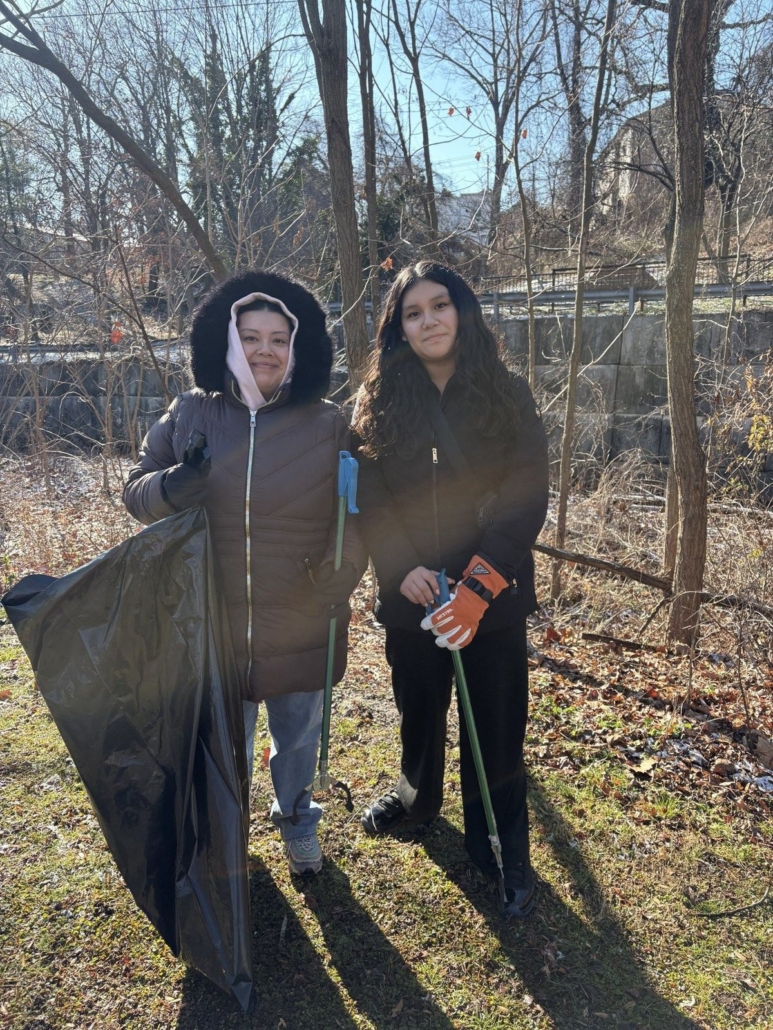
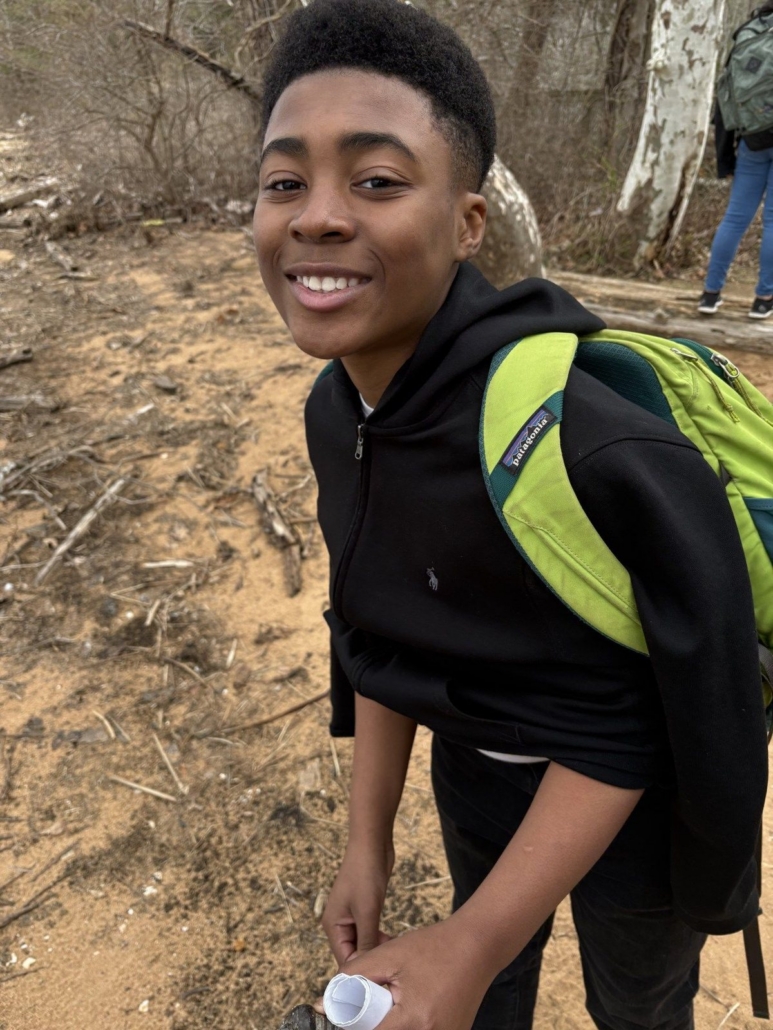
Thirty years of paper film and proof.
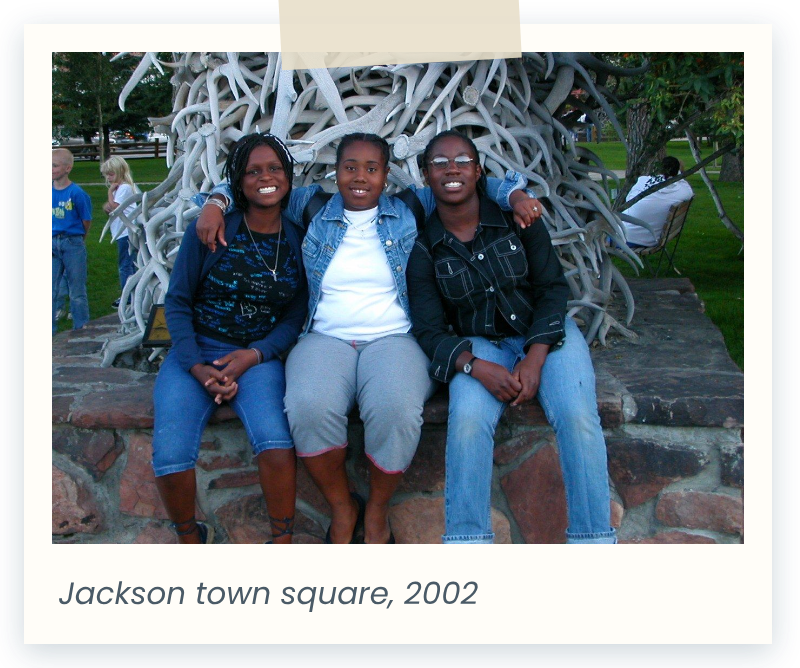
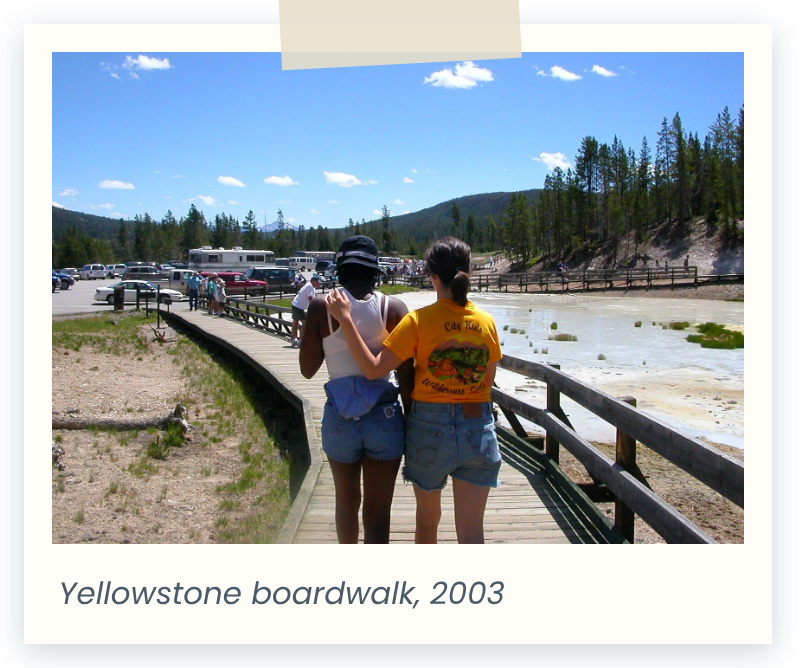
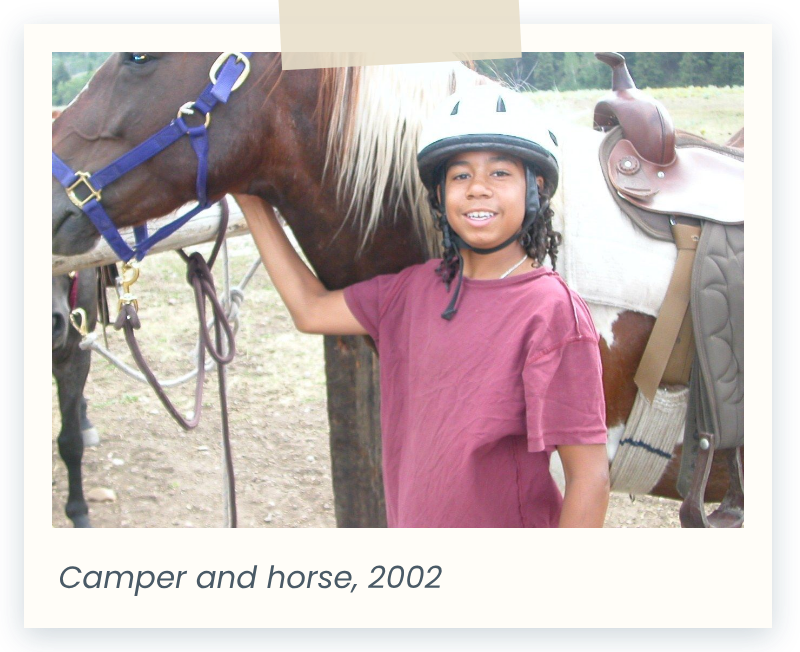
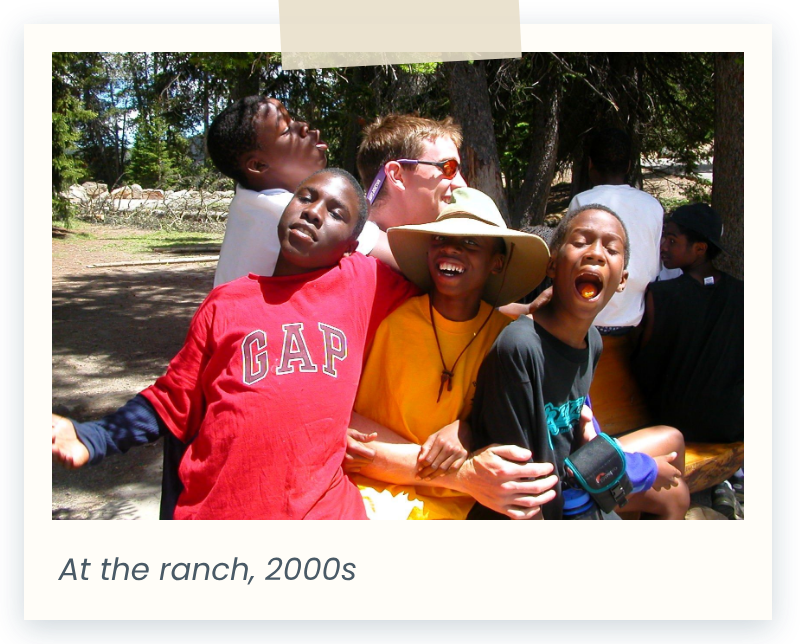
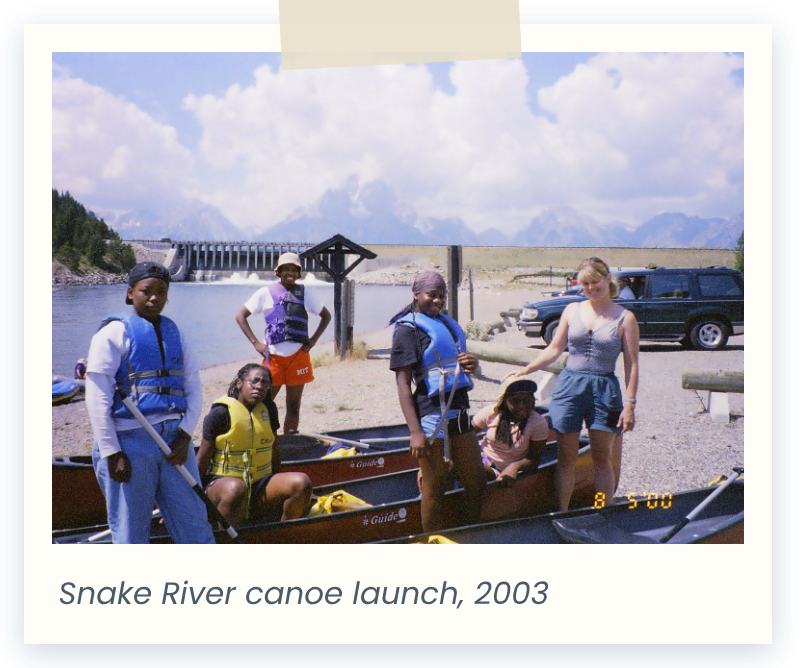
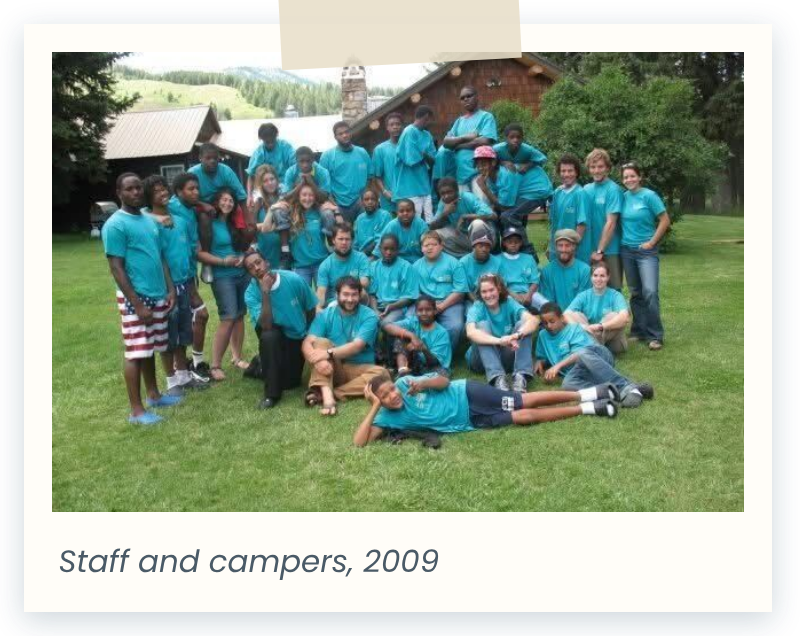
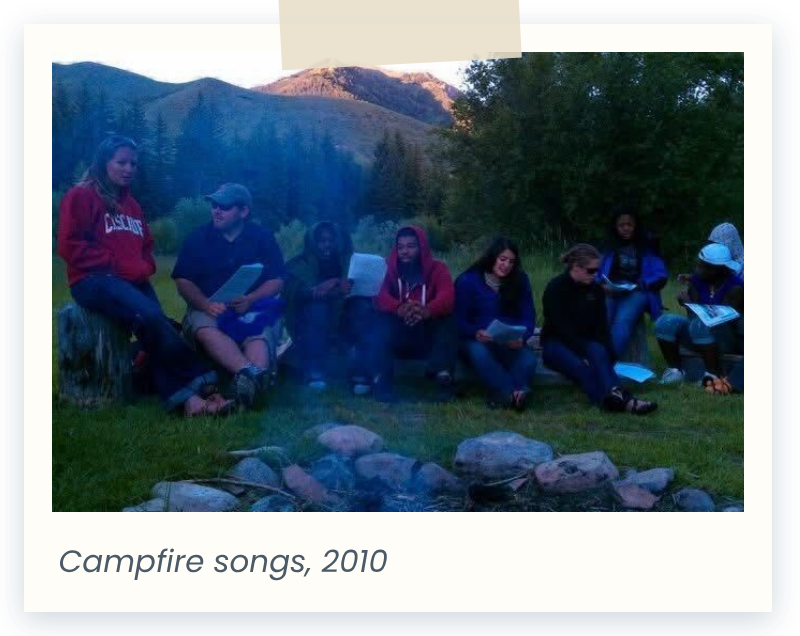
A 30 YEAR TIMELINE
From a ranch in Wyoming to year-round programs in DC, here is how City Kids grew, one addition at a time.

Randy Luskey buys Broken Arrow Ranch.

The first summer. Eighteen fly west.

Cathy Dombi becomes the first director.

The first spring break trip.

The high school JET program begins.

Programs run year-round in DC.

Snow Club launches winter sports.

152 young people. More than 500 alumni.
ALONG THE WAY
2000 Named on the Senate floor and entered in the Congressional Record.
2015 City Kids on the Food Network’s Restaurant Impossible.
2017 Eleanor P. Eells Award for Program Excellence.
2024 Outdoor Alliance for Kids Leaf Award.
Thirty years. More than 500 young people.
The seven-year model was not designed. It accumulated, one year at a time, because the young people kept asking to come back.
Where it took root
A piece of land in Wyoming, a first summer that nearly did not work, and young people who kept asking to come back.
THE IDEA
Randy Luskey grew up just outside Washington, and the traditional classroom was a hard fit. “I didn’t learn the same way that other kids did, so I felt different,” he says. What changed things was a school built around an outdoor, experiential curriculum, where learning happened on hikes and in conversation, and where he found out what he was actually capable of.
The trips that did that were expensive. He could afford them, yet almost no child in his home city could, and that gap is the reason City Kids exists. “I wanted there to be a place where DC youth could experience the outdoors, grow, learn, see new things, and overcome challenges,” he says.
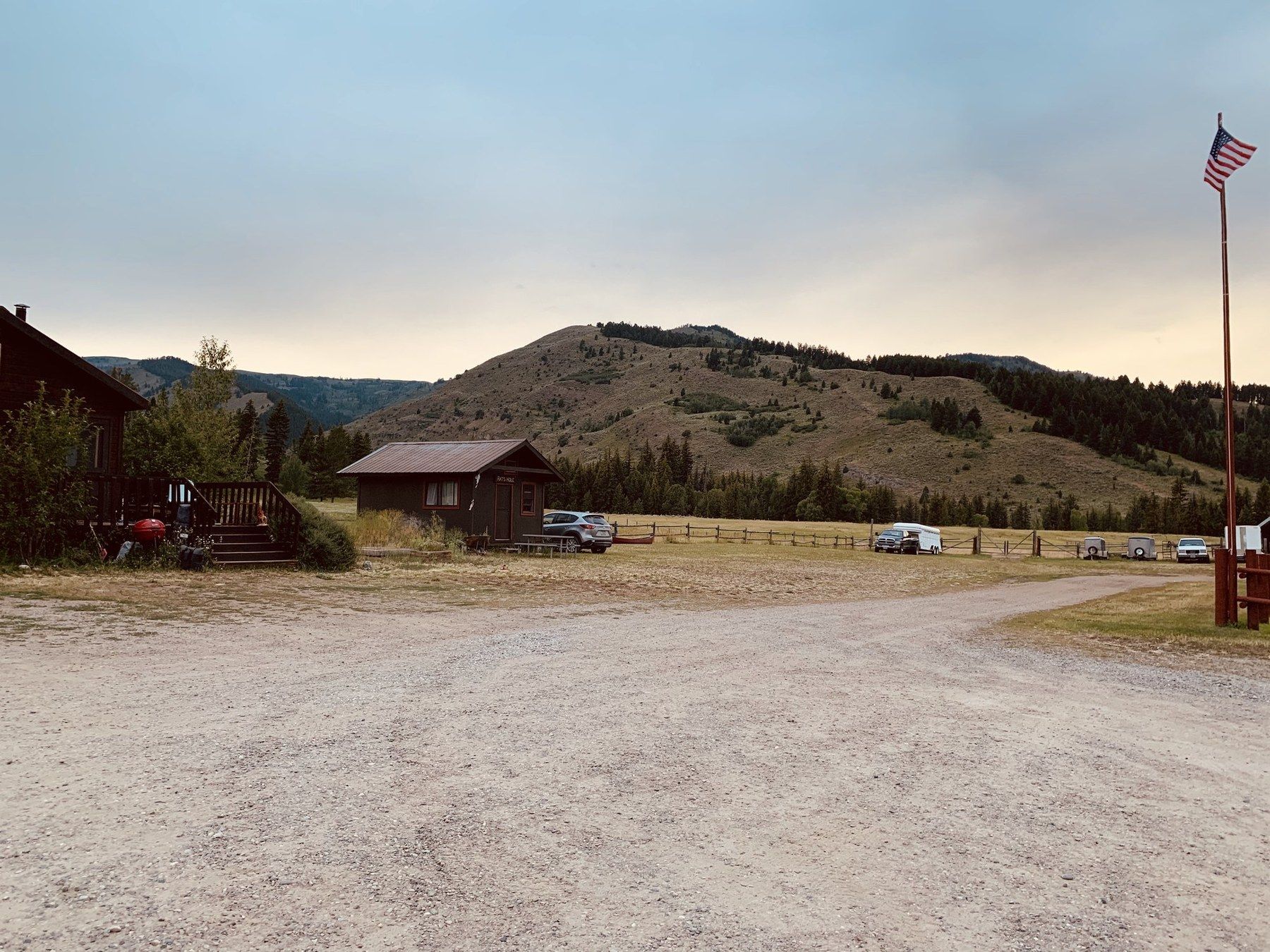
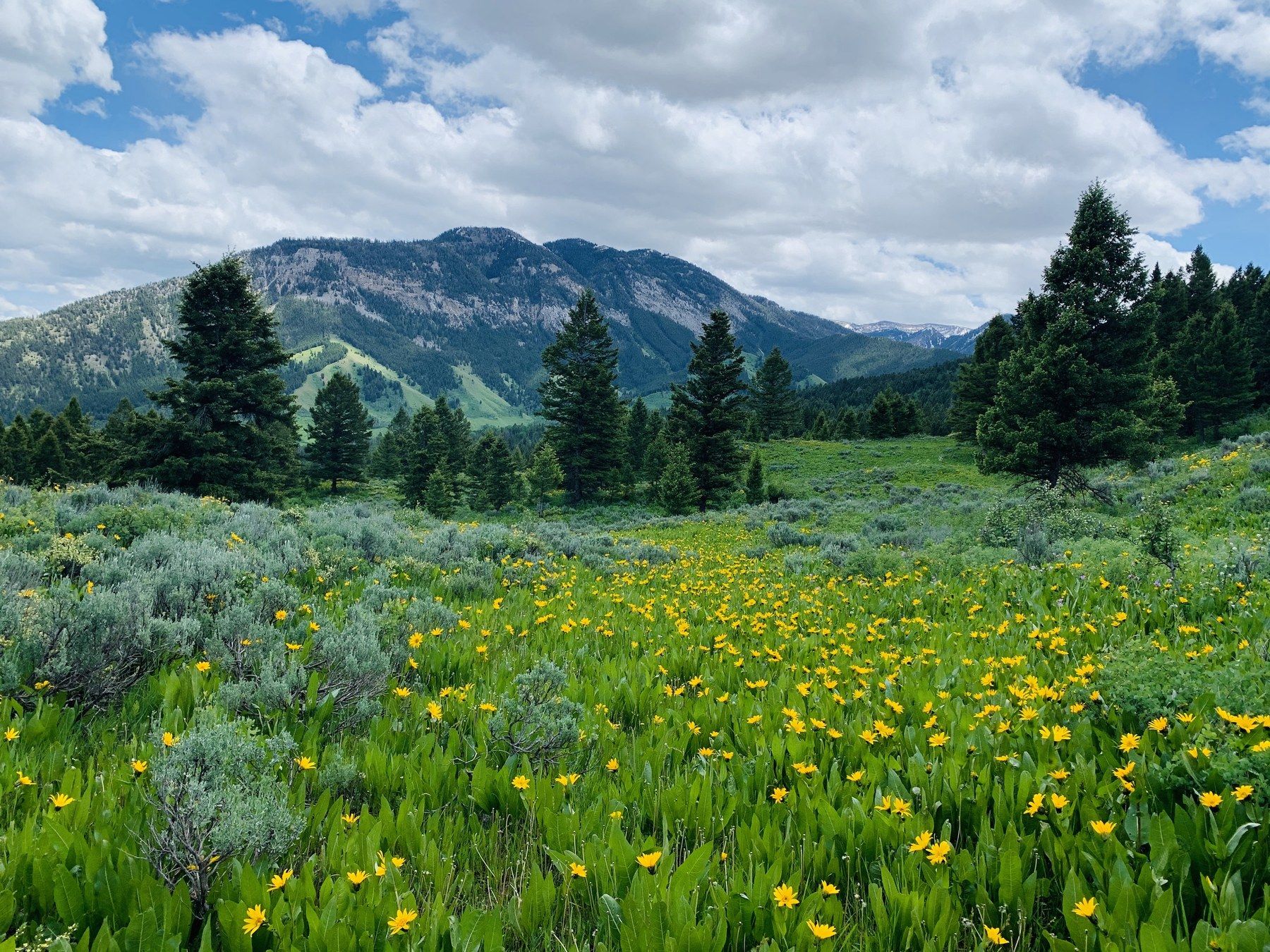
He was young, and what he had was a direction rather than a plan. What he went looking for first was not a program, but a place, somewhere with wildlife, rivers, and national parks close enough to take in across two weeks, and somewhere that had not been arranged for visitors. “It’s a real place where people lived and ‘ranched’ and did things.”
Randy visited Broken Arrow Ranch, and the search was over.
THE LAND
The ranch had belonged to the family since 1970. Guy Trautman was twelve when his parents moved onto Broken Arrow. “It was kind of a trial by fire for my whole family,” he says. They ran it as a dude ranch for four years, and his father built a campground on the land next door, ground City Kids would later use. In 1996, it was Guy’s parents who sold Broken Arrow to become City Kids Wilderness Project.
THE FIRST SUMMER
Randy recruited eighteen young people to fly out from Washington. The activities were ambitious, the staff came with little camp leadership experience, and nobody knew what to expect. “We didn’t know what we were doing,” Randy says. “It wasn’t a disaster, but it was about as close as you could get to a disaster.”
He names what changed in three words: leadership, structure, and more fun.
THE STRUCTURE
Cathy Dombi found the job in a print advertisement in a camping journal. She arrived in 1998 as City Kids’ only staff member, with three sessions to run and six summer staff, one of them a cook.
The plan then was short. A young person would come to Wyoming once and go home. “It wasn’t just that we wanted to do it,” Cathy says. “The kids did not want to leave.” They wanted to come back the next year to experience camp, then to lead it, and then to return as staff. “Randy and I agreed on where the program needed to go, and we just kept adding to it.”
The seven-year program model that exists today accumulated one year at a time because the young people kept asking for more.
“We found that students coming back year after year and mentoring youth were critical to the younger kids’ success. It was so much more important to have a peer, or a slightly older peer who had been there, than just the staff.”
Ask her for the moment that told her it was working and she does not reach for a summit. She describes a young woman on a backpacking trip, struggling badly with the hike, who stopped and turned around and looked at what was behind her. “Despite struggling and really wanting to sit down and cry, she was able to connect with the outdoors and find strength in that. And that said to me, what we were doing works.”
They called her Miss Cathy then. “They often call me Mom,” she says. She still lives a mile downstream from the ranch.
“Strip away all the bells and whistles. What it comes down to is the relationships you build with the individual students.”
“I’m happy to have been a small part of it. It’s definitely in my heart, and will be forever.”
THE WITNESS
In March of 2001, Guy’s younger brother Philip called him in Cincinnati, where Guy was running a tool shop. Randy needed a caretaker, and Guy had someone interested in buying his shop. “I think it might be a good time to move,” he told Philip. Thirty-one years after his family first drove in, he came back to the same ground, and stayed twenty years.
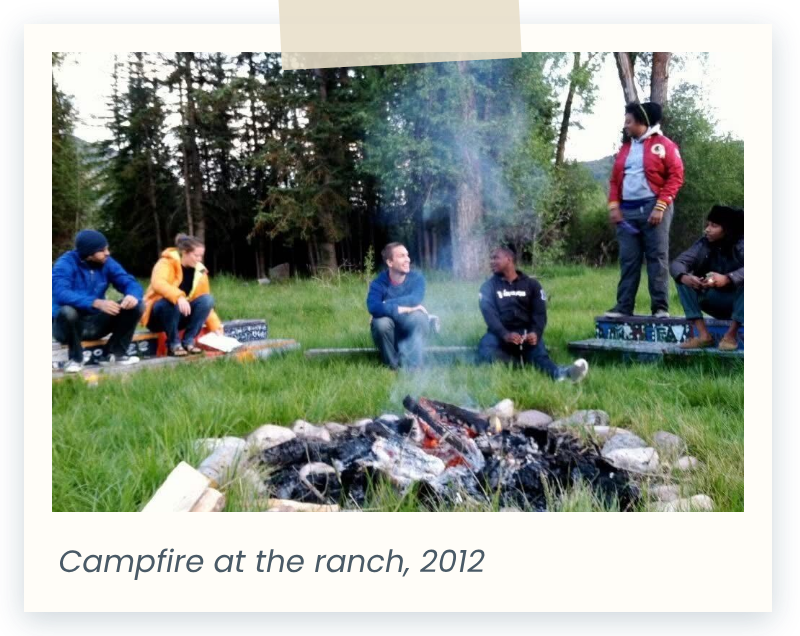
What he remembers is the campfires. “That’s when the kids could head down to the river, which is where the campfires were for a lot of years, and relay what they learned, what they did, what they found out about themselves.” Some came back years later to tell him what they had gone on to do with their lives.
He had been twelve when Broken Arrow was just the place his family lived. He spent the next two decades watching it do something to other people’s children. He watched the same ones arrive at eleven and leave at eighteen, and by the fourth year, he says, the change was obvious. “It’s huge. They have so much more self-awareness.” He is just as clear about why. “It just opens a world to him, and as soon as that happens, the possibilities are endless. They can learn to make their own way.”
The campers always came in late. The flight from Washington landed at night, and by the time the van came down the Hoback and turned in at the ranch, there was nothing to see out the windows.
Guy’s first summer, one boy did not wait for morning. He climbed out of the van, walked a little way from the headlights, and looked up at a sky with no city in it.
“It’s like he looked at the sky and didn’t know what the stars were,” Guy says.
“He asked what the lights were.”
It was his earliest experience of any City Kid, and he has been telling the story for twenty years.
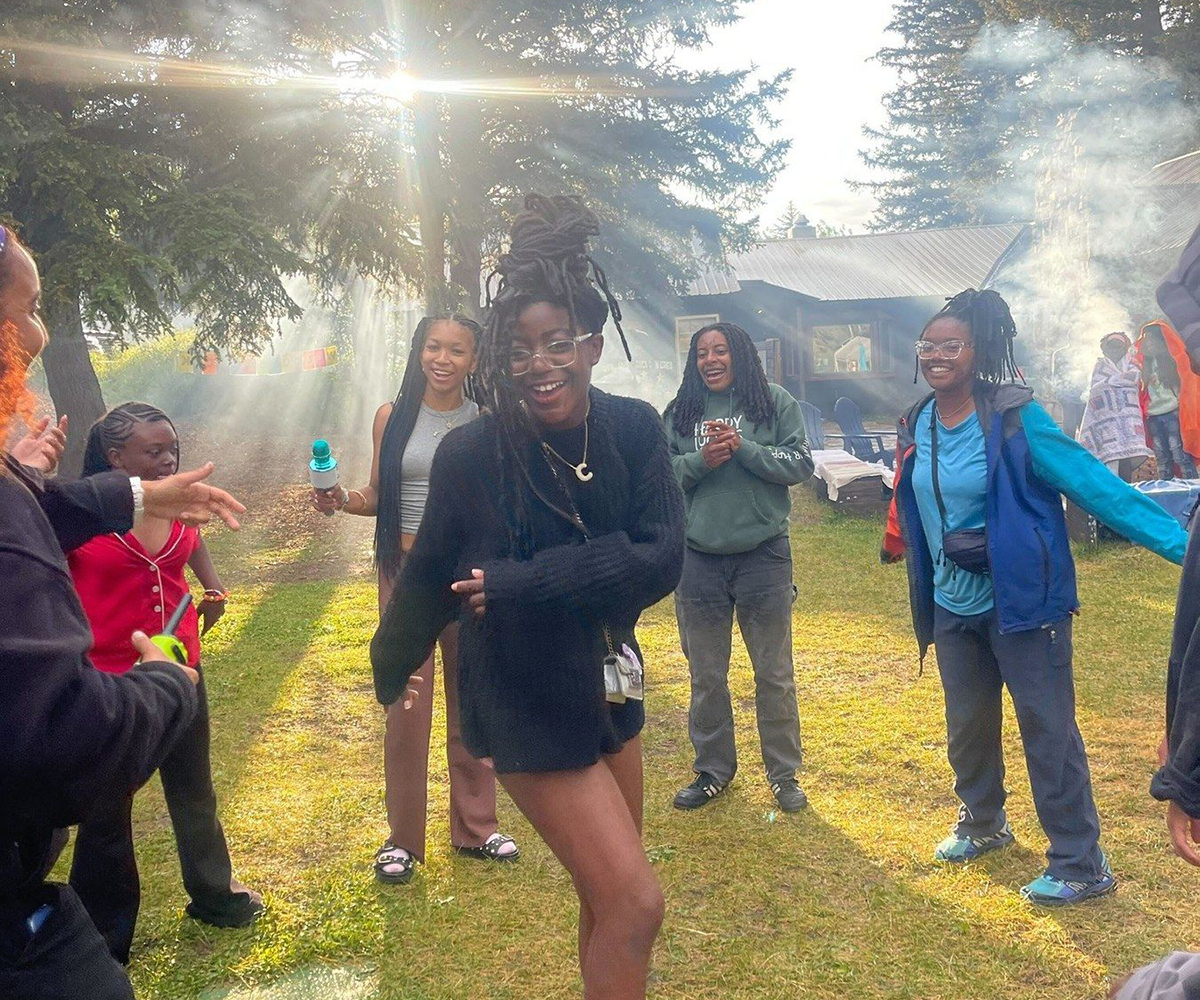
CITY KIDS IS.
Randy and Cathy were asked to finish the same sentence, a day apart, neither knowing what the other had said. Randy took his time and landed on one word: family. Cathy gave three. “City Kids is home, City Kids is love. City Kids is a family.”
Home. Love. Family.
Guy, who had lived on that ground longer than either of them, went somewhere else. “City Kids is a community. Clearly, these kids form lasting relationships with each other.”
Ask an alum and you hear it another way again. Broken Arrow is a second home, a home away from home, said often enough to have become shorthand. Among staff the phrase is “CK for Life.” Once you join, you do not really leave.
Alumni Stories
Branden McCutchen and Chris Allen both joined City Kids in sixth grade. Years later, Branden helps guide the program as a board member, and Chris helps students access the kind of scholarship that changed his own path.

The Return
City Kids’ First Alumni Board Member
He flew west at 11. He is still showing up, now from the other side.
Branden was eleven and in sixth grade when he and his best friend, Montae, were selected to join City Kids. The program recruited through a handful of partner nonprofits in those years, and young people applied and interviewed for a spot. “It was a privilege to get selected,” he says.
The flight out was his first time on a plane. He was nervous about leaving his family and his neighborhood for a ranch he knew only from other kids’ stories. Then the plane landed. “It was my first time seeing that much nature,” he says. “Jackson just showed me a whole different world. Stepping off the plane, seeing the Tetons for the first time, and being introduced to the activities on the ranch. It just opened my eyes that the world is so much more than just my little neighborhood in DC.”
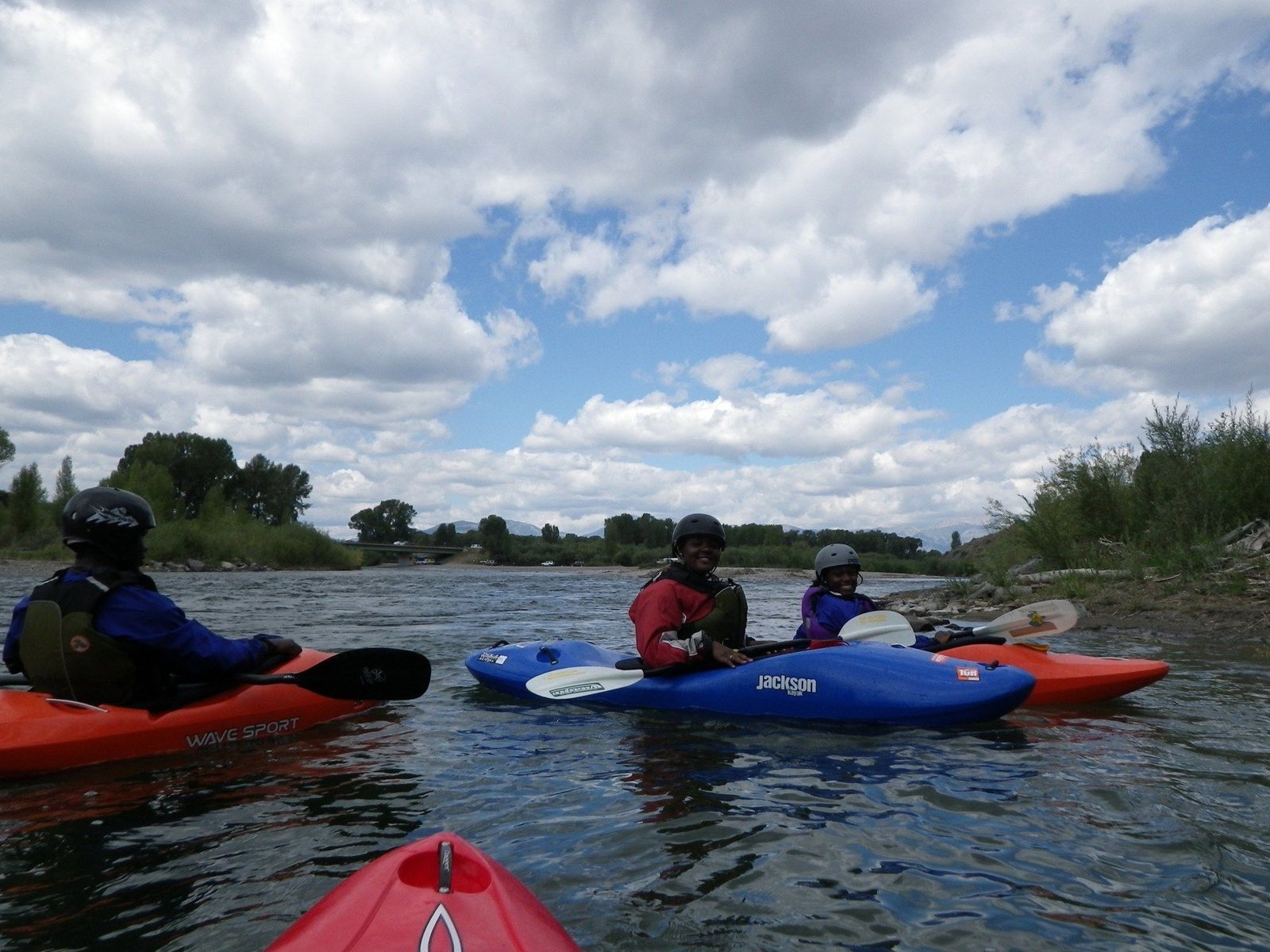
What the ranch asked of him was the whole point. Rock climbing, whitewater kayaking, things he says he might have talked himself out of if he had only ever seen them on video. “What City Kids challenged me to do is have an open mind… and give it a chance.” He fell in love with nearly all of it. He joined the kayak club in town, which brought him closer to local teenagers. The rest of it he did with Montae beside him, rock climbing, kayaking, horseback riding, swimming, backpacking and camping. “We became like a family going through these challenges.”
In his freshman year of high school, his class planned a trip to Italy his family could not afford. He wrote a short essay about why he wanted to go and sent it out to everyone he could think of. “My City Kids family showed up. They donated a bunch of money to make sure I had this opportunity, and that’s something that sticks with me to this day.”
Branden is now a senior representative at Navy Federal Credit Union, and financial literacy is his focus. He chose it “just because it’s not big in my community.” Branden’s proclivity to give back to the community that raised him does not end with his day job. He is a consistent volunteer with community organizations and is a very familiar face on monthly City Kids programs both in DC and Jackson Hole. Given his relentless commitment to the program, City Kids did not hesitate to nominate Branden for a seat on the Board of Directors. The seat is one of the commitments in Rooted + Rising, the strategic plan running to 2030, and Branden is the first alumni board member.
Ask him why he accepted the invitation and he shares two words: “Full circle.” He watched Montae go from a camper to junior staff and now to the Director of Camper Programs, and he knows what that meant. “Having someone that had actually been through the process and still worked with these kids firsthand, I feel like my voice would be a little bit different. I try to fill in that gap between a board member and the actual program.”
What he tells young people in his own community is simpler than any of it. “Take advantage of the resources that are in front of you, lean on your village if you can, and try to not do this alone. Life is already hard, you don’t want to do it by yourself.” His daughter will apply to be part of the 2027 cohort.
“I just always wanted to show up as much as they showed up for me.”


The Door
Associate Director of Admission, Proctor Academy
He was recruited out of a sixth-grade classroom. Now he is the one recruiting.
Chris was in sixth grade when his mother made him sit through a presentation at his school. She made most of the decisions about what programs he joined. The woman giving the presentation was Cathy Dombi, City Kids’ first Executive Director. He signed up, and that summer he flew west with a group of classmates he barely knew, some of whom are his closest friends to this day.
The first summer was hard, and he does not soften it. It was the furthest he had flown. It was his first national park and his first time camping, and the first time he had to be, in his words, “enthused about being outside.” The year they introduced backpacking, staff told the group they would cover five miles in a day. “We were like, damn, that’s a lot. I don’t think we had walked five miles, ever.” He was afraid of heights, so his friends pushed him up the hikes he wanted to quit, and he picked up his pace because he did not want to be last in line on a cliff.
He kept coming back, first as a camper and then as a camp counselor. It was his first job, and he didn’t know it yet, but it was the start of his career. City Kids founder, Randy Luskey, kept weights in one of the barns so Chris could lift through the summer, get stronger, and go home ready for football at Proctor Academy, a boarding high school in New Hampshire, that he was given a scholarship to by the City Kids community.
In his junior year at Proctor, he won a place on a thirty-day backpacking course in the Wind River Range. Everyone else on the trip was already in college, most of them at schools like Yale and Harvard. He was the only high schooler there, and he spent a month in the mountains with them. “That was really eye-opening for me, because I realized that opportunity is one that people want for their kids. I think that was the first time I was like, this does make me different.”
Today, Chris is the Associate Director of Admission at Proctor Academy, deciding which young people get the kind of scholarship he was given at fourteen. Chris credits conversations with his City Kids mentors as the reason he decided to lend his perspective to the Proctor Admissions team. “[City Kids] challenged me on what the job would do for me versus what I could do for it. I never thought about it that way.”
Away from admissions, Chris coaches basketball and football at Proctor and performs as a musician and producer.
“Opportunity. To see different, to live different, to learn. To have a family if you don’t have a family. People that know you and see you.”


OUR ROOTS ARE DEEP. OUR REACH KEEPS GROWING.
After 30 years, we know what this model produces. More than 500 young people have come through City Kids, and dozens have come back as staff and leaders. Rooted + Rising, our strategic plan for 2025 to 2030, puts three commitments behind that proof.
Evolving the summer program experience
A new summer site, an updated camp model, and DC-based summer internships for high schoolers.
Scaling alumni programs
Alumni outdoor trips, an Alumni Advisory Board, and a designated alumni seat on the Board.
Advancing career pathways in the outdoors
Pathways into City Kids and the outdoor industry, certifications, and trip staffing through partner alliances.
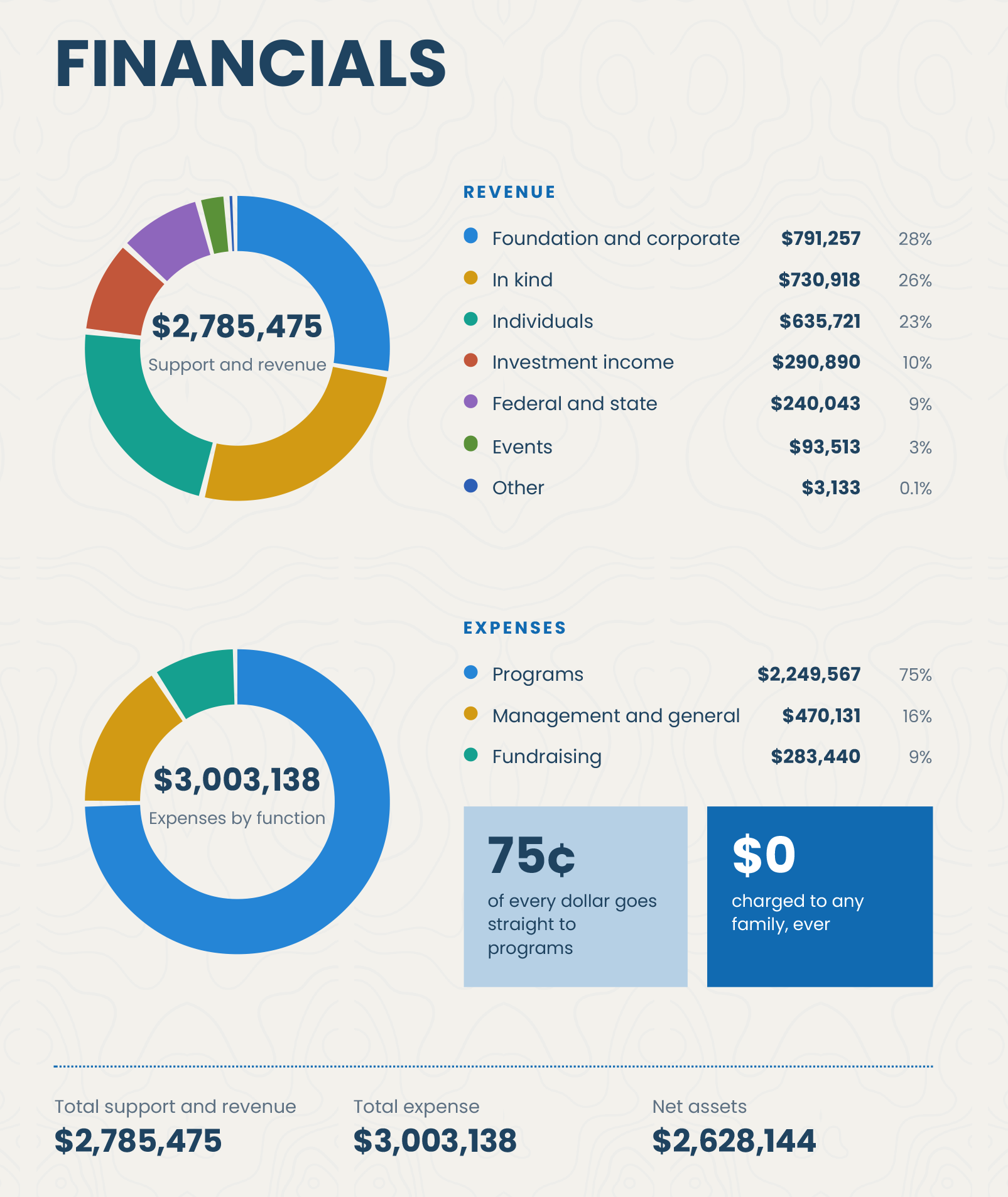
Expenses ran $217,663 ahead of revenue. Most of that gap is timing rather than loss: multi-year grants recognized in earlier years, the end of cabin rental income, and lower in-kind giving. Adjusted for those, the operating shortfall was closer to $125,000.
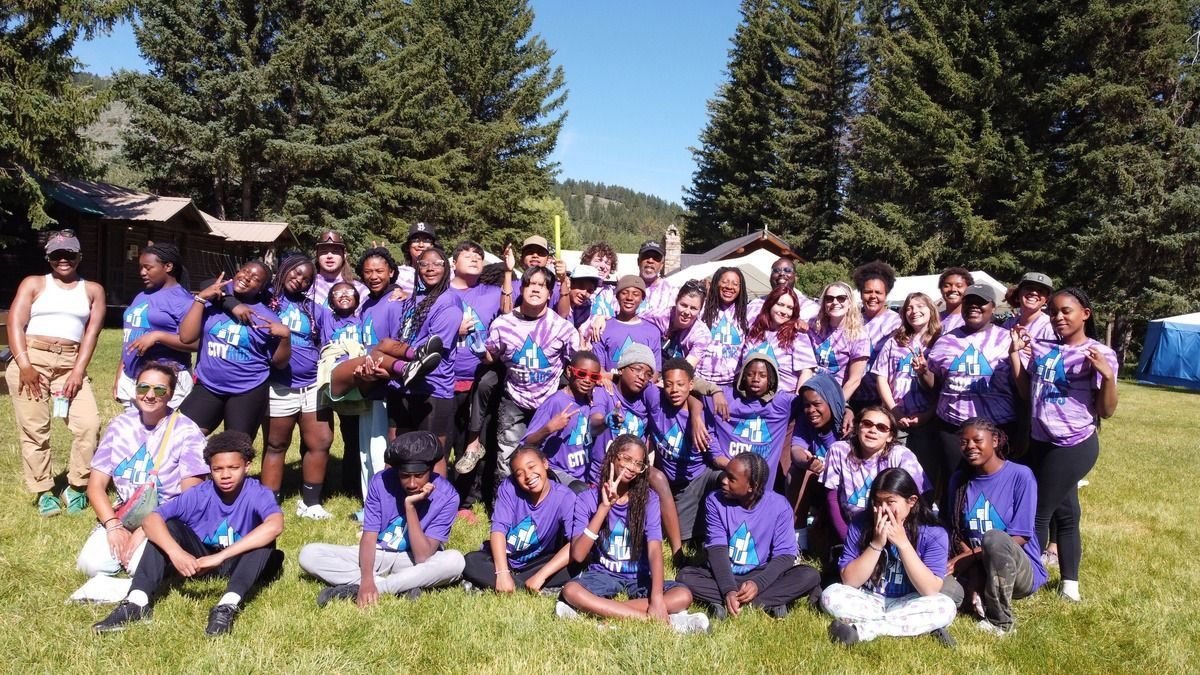
Thank you to our incredible donors, partners, volunteers and community for investing in DC youth and helping them experience connection, joy and belonging. From Wyoming’s wilderness to DC’s green spaces, you have helped us create communities where young people don’t just participate, they thrive.
Corporate & Foundation Partners
Partners who have provided critical grant support to make City Kids programming possible.
Campfire Circle
The Campfire Circle program is an opportunity for individuals to make a powerful and direct impact on our community and youth that we serve.
Key Partners
Partners who have helped provide resources and expertise that propel City Kids’ mission forward.
Consider making a donation today to provide enriching outdoor experiences for DC youth and to help redefine the way we think about learning and growing.